Author Archives: admin

Fund flow management by DEEPAK JAIN

The event industry is one of the glamorous industries worldwide, comprising various vibrant elements such as Décor, Lights, Sound, SFX, and Artists. Among these elements, Finance fades out and stays hidden like a shadow. But in reality, it’s the most important element of all. Without proper financial planning, even the most creative and well-designed events can quickly collapse. Behind every successful wedding, corporate conference, concert, or festival is a solid financial foundation that ensures everything runs smoothly & profitably.

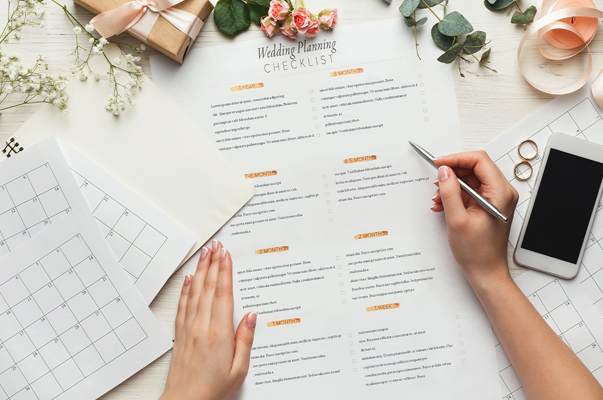
Clients often come in with big ideas with lavish décor, high-profile artists, premium venues, etc., but it’s the financial planning that determines whether those ideas can realistically come to life. Budgeting is the first and most critical step. A well-structured budget helps event planners allocate resources efficiently, prioritize spending, and avoid unnecessary costs. It also sets clear expectations with clients, reducing the risk of misunderstandings or disputes later on.

Accounting plays a vital role once the planning begins. Tracking expenses in real time allows planners to stay within budget and make informed decisions if adjustments are needed. For example, if decor costs exceed BM, funds might need to be reallocated from another area. Without accurate financial records, these decisions become guesswork—and that’s a risk which professional event planner can’t afford.

Fund flow management is another crucial aspect. Events often require advance payments for venues, vendors, and logistics, while client payments may come in stages. Poor fund flow management can lead to delays, strained vendor relationships, or even event cancellation. Strong financial oversight ensures that funds are available when needed and that obligations are met on time. A good event planner will prepare a payment schedule beforehand so that everything runs smoothly without any hassle.

Profitability is, of course, a key concern for event planning businesses. Accounting helps determine whether an event is financially successful by analyzing revenues against costs. This insight not only measures current performance but also informs future pricing strategies and cost-saving opportunities. Over time, these financial insights can be the difference between a struggling business and a thriving one.

Moreover, transparency and accountability build trust with clients. Detailed financial reports, clear invoices, and honest communication about costs enhance credibility and professionalism. Clients are more likely to return or recommend services when they feel confident that their money is being handled responsibly. Finance and accounting are not just back-office functions in the event planning industry—they are strategic tools that enable creativity to flourish within practical limits. They ensure that every event is not only memorable but also financially sound, paving the way for long-term success in a dynamic and demanding field.

DIY VS with Wedding Planner by SAPTARSHI MITRA

If planning a wedding solo is like building a house while living in it, Hiring a planner is like hiring an Architecture to hand you the keys to a mansion.

  1. The Human “Adrenaline Filter” (Stress Manager)


The Planner: They are the ” Ninja.” They absorb all the chaotic energy from vendors and family, filtering it so that only the “good vibes” reach you.

The Solo Reality: You are the lightning rod. Every sparks-and-static moment of the day hits you directly, leaving you “fried” before the cake is even cut.


2. Buying Back Your Life (Time Saving)


The Planner: Planners don’t just save time; they condense it. Their vetted network turns ten hours of searching into a single phone call.

The Solo Reality: Your personal time becomes a second full-time job. You will find yourself checking fabric samples at 2:00 AM instead of resting.


3. The “Backstage” Pass (Industry Expertise)


The Planner: They know which caterer is secretly struggling and which florist is a rising star. They see the “skeleton” of the venue—the wiring, the kitchen access, the acoustics—that you might miss.

The Solo Reality: You are a “tourist” in the wedding industry. You see the pretty facade, but you might not realize the venue has a hidden noise curfew until the music starts.


4. The “Vibe” Insurance (Expert Knowledge)


The Planner: They act as a Creative Editor. They take your 50 disjointed ideas and stitch them into a single, “cinematic” story that makes sense from start to finish.

The Solo Reality: Without an editor, weddings can feel like a “collage”—lots of beautiful pieces that don’t quite fit together, creating a “visual stutter.”


5. The “Financial Bodyguard” (Budget Management)


The Planner: They practice Strategic Spending. They know when to go “Legendary” on the sound system and when to save on the centerpieces to keep the balance sheet healthy.

The Solo Reality: Budget “leakage.” Small, uncounted costs (like transport, tips, and taxes) act like paper cuts that eventually bleed your budget dry.


6. The Bridge from “Dream” to “Done” (Vision to Execution)


The Planner: They turn “poetry into blueprints.” They take your wish for a “Boho-Dreamland” and turn it into a technical rider with measurements, lighting cues, and load-in schedules.

The Solo Reality: You have the vision, but you lack the “language” to tell the technician exactly how many watts or lumens are needed to make it happen.


7. The “Objective Anchor” (Emotional Support)


The Planner: They are the only person in the room who isn’t emotionally biased. When family drama rises, they stay focused on the project, not the personalities.

The Solo Reality: You are in the eye of the storm. It’s hard to stay confident when you’re trying to balance your mother’s traditions with your own modern preferences.


8. The “Master of the Plan B” (Disaster Manager)


The Planner: They operate on the “Expect the Worst, Deliver the Best” principle. If the LED wall glitches or a dancer misses a cue, they have a workaround in motion before you even blink.

The Solo Reality: A disaster isn’t just a technical problem; it’s a memory-ruiner. Without a manager, you’ll remember the “broken speaker” more than your first dance.


Planning a wedding yourself is about surviving the day.

Hiring a planner is about experiencing the day. Choose Wisely. 


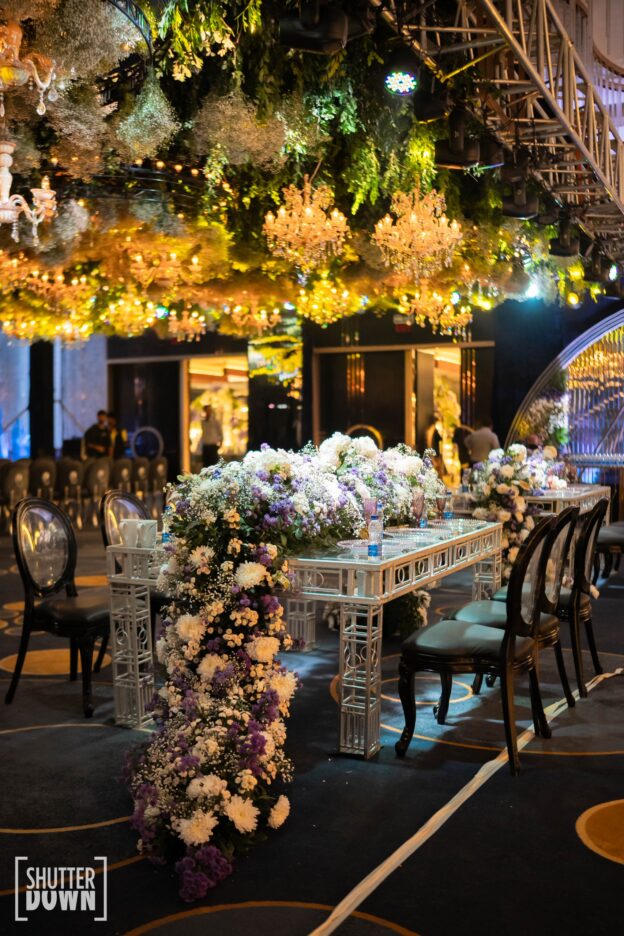
Design is not decoration—it is storytelling in space by  SOMOJIT DUTTA

DATED: 24TH APRIL 2026, KOLKATA.

Design is not decoration—it is storytelling in space.
When people walk into an event, they don’t just see colors, lights, or furniture. They feel something before they even understand it. That feeling is design doing its quiet work.

At its core, event design blends creativity with intention. Every element, like lighting, stage layout, sound, textures, and even furniture, serves a purpose.

It takes a guest by the hand and delicately tells them where to look, where to walk, when to feel excitement, and when to pause. And perhaps most importantly—good design is remembered, but great design is felt long after the event ends.

Beyond the Flowers by SAPTARSHI MITRA

DATED: 24TH APRIL 2026, KOLKATA.

The “First 10 Seconds” vs. The “Last 4 Hours”
​Decor wins the first 10 seconds. It handles the “Arrival Experience.”
​Technical wins the next 4 hours. It manages the “Energy Carve.”

​Why it matters: If the technical is weak, guests will admire the flowers for a few minutes but feel bored or disconnected for the rest of the night.

Emotional Control
​Without a technical “soul,” an event is just a room full of people.
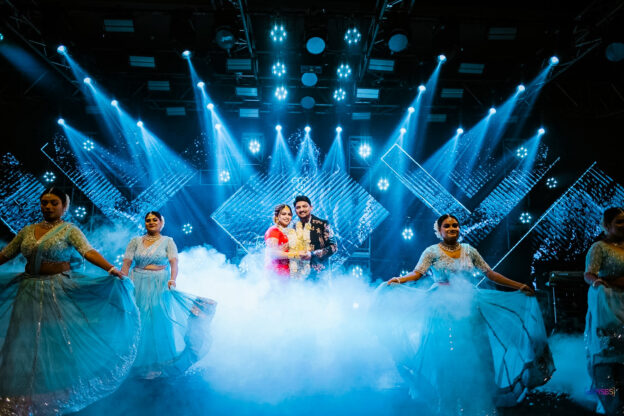
​Lighting tells them when to pay attention (Spotlights) and when to relax (Ambience).
​Sound tells them when to be emotional (Speech) and when to let go (Dancing).

​ Passive & Active
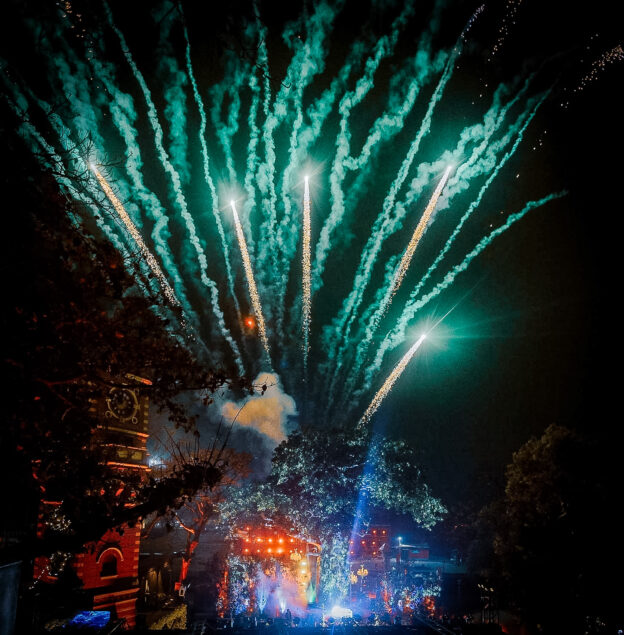
​Decor is a passive experience (you look at it). Technical is an active experience (it surrounds you). When you combine visual beauty with a physical “pulse” (Sound) and atmospheric depth (SFX), you create a state of flow where guests lose track of time. This is what makes an event “legendary.” Decor is at a constant level. SFX and Technical “cues” create the peaks—that one drop of the beat, that one sudden change in light, that one blast of cold-pyro, sonic boom. These “shocks” to the system are what guests talk about the next morning.


Framing Forever: How to Choose the Best Wedding Photographer By RUMELA

When the cake is eaten, the dress is packed away, and the flowers have dried up, your wedding photos are one of the few tangible things you’ll have left to remember your big day. Because of this, choosing the right wedding photographer is arguably one of the most important decisions you’ll make during the planning process.

But with countless talented professionals out there, how do you narrow it down to the one? Here is a practical guide to help you find a photographer who will capture your day perfectly.


1. Nail Down Your Preferred Style

Before you start looking at local vendors, take some time to figure out what kind of photography you actually like. Spend some time on Pinterest or Instagram and save photos that catch your eye. You’ll likely start noticing a pattern.

  • Documentary/Photojournalistic: Candid, spontaneous, and focused on capturing raw emotions rather than posed shots.

  • Fine Art: Light, airy, and highly stylized, often shot on film (or edited to look like it) with a focus on details and composition.

  • Traditional/Classic: Classic posed portraits, lots of direction from the photographer, and a focus on getting the standard family and couple shots.

  • Dark and Moody: Deep shadows, rich colors, and a dramatic, cinematic feel.

2. Set a Realistic Budget

Wedding photography is an investment, and prices can vary wildly depending on experience, location, and the package details. Determine what percentage of your overall wedding budget you are willing to allocate to photography. Don’t forget to account for extras like a second shooter, an engagement session, or physical photo albums. Knowing your number upfront will save you the heartbreak of falling in love with a portfolio that is completely out of reach.

3. Look Beyond the Highlight Reel

Any photographer can curate 20 incredible shots for an Instagram feed or a website portfolio. What you need to know is how they perform over an entire 10-hour day, across different lighting situations (getting ready in a dim hotel room, bright midday sun, and a dark reception hall).

When you reach out to a photographer you like, ask to see a full wedding gallery. This will give you a much more accurate representation of the consistency and quality of their work.

4. Read the Reviews

Take the time to read reviews on independent sites, Google, or wedding directories. Look for consistent feedback on a few key areas:

  • Punctuality and professionalism.

  • How they handled the stress of the day.

  • Turnaround time for delivering the final photos.

  • How comfortable they made the couple feel.

5. Schedule a Vibe Check

You will spend more time with your photographer on your wedding day than you will with your spouse! They will be there for your intimate moments, family drama, and pre-wedding jitters. It is absolutely crucial that your personalities mesh.

Set up a video call or grab a coffee with your top candidates. Do they make you feel at ease? Do they listen to your vision? If you feel awkward or rushed during a 30-minute consultation, you’ll likely feel that way on your wedding day.

6. Scrutinize the Contract

Once you’ve found your match, read the contract thoroughly before signing or paying a deposit. Make sure you understand the following:

  • Exactly how many hours of coverage are included.

  • When you can expect to receive the final images.

  • How the images will be delivered (USB, online gallery, etc.).

  • Printing rights (do you have to print through them, or can you print wherever you want?).

  • Cancellation and postponement policies.


Choosing a wedding photographer can feel overwhelming, but by doing your homework and trusting your gut, you’ll find a professional who feels like a friend—and who will deliver stunning memories you’ll cherish for a lifetime.

Do you already have a specific photography style in mind for your wedding, or are you still exploring your options?